How is Interior Design Different for Homes, Condos, and Offices?
Interior design is not just about aesthetics; it also involves space planning, material selection, atmosphere creation, and truly meeting the needs of the occupants. Of course, “home,” “condo,” and “office” each have completely different requirements.
In this article, we’ll help you understand the basic concepts of interior design for each type and recommend suitable approaches for your space.
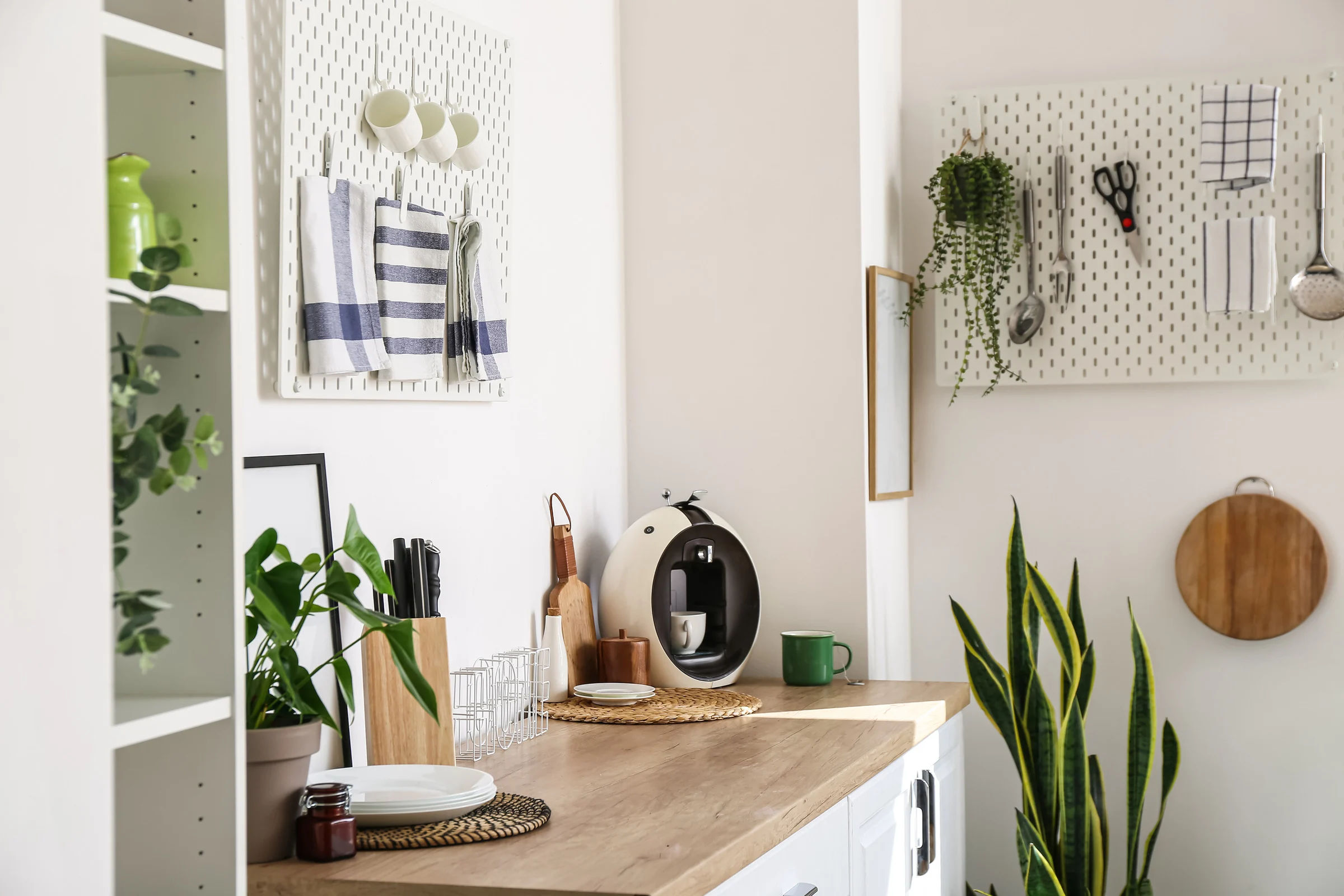
1. Residential Interior Design (“Home”)
Key features: Privacy, warmth, and reflecting the personality of the residents
Main goal: To create a true sense of “home” in both function and mood
Key elements:
- Soothing color tones such as earth tones, natural wood, and creamy white
- Materials that provide a warm touch, like wood, fabric, or matte finishes
- Proper use of natural light in the home
- Organized and easy-to-use family storage spaces
- Relaxation corners, such as a comfy sofa, reading nook, or small garden
Tip: Emphasize “flexibility” in use, such as adjustable furniture, because home life is more varied than other spaces.
2. Condominium Interior Design (“Condo”)
Key features: Limited space, every square inch must be used efficiently
Main goal: Make small spaces look larger and suit urban lifestyles
Key elements:
- Use of multifunctional furniture, such as beds with drawers or foldable tables
- Light color tones like white, light gray, or pastels to open up the space
- Mirrors and warm white lighting to add dimension to the room
- Built-in decorations designed specifically for the space
Tip: Pay special attention to “storage” because space is limited but belongings are many. Good design should hide storage systems seamlessly.
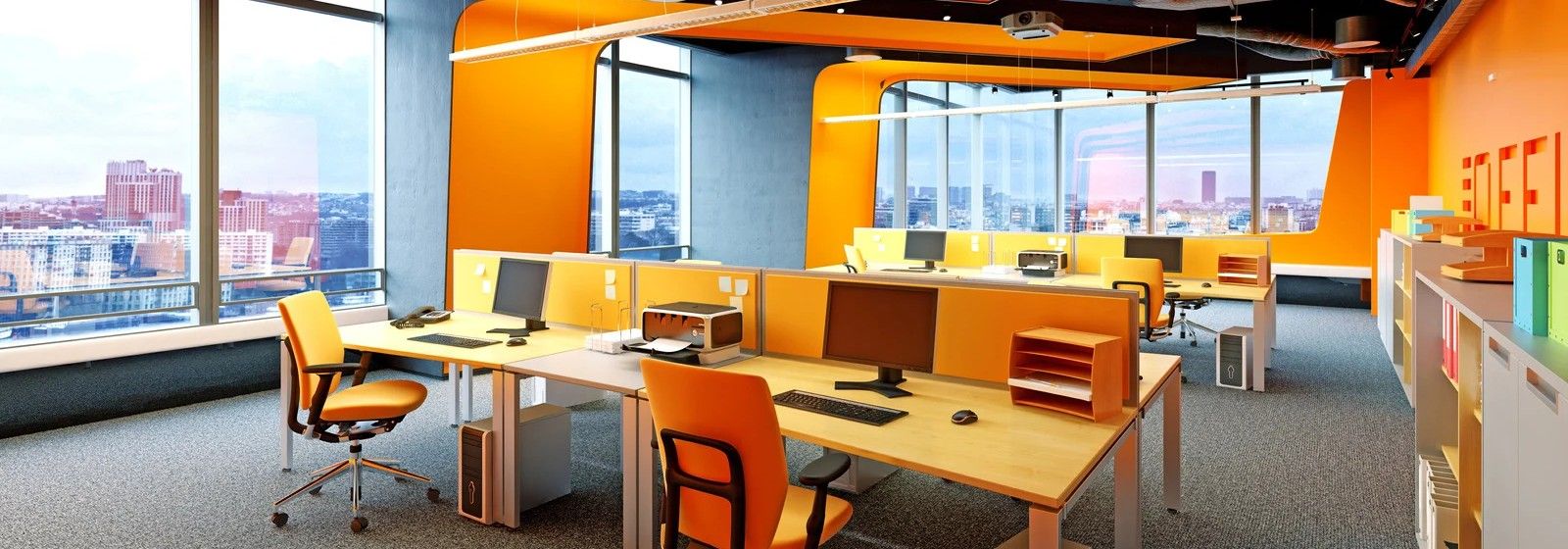
3. Office Interior Design (“Office”)
Key features: Enhances corporate image and increases work efficiency
Main goal: Create a good working atmosphere and communicate company culture through design
Key elements:
- Clearly defined zones, such as work areas, meeting rooms, and relaxation spaces
- Use of durable materials for heavy use, such as laminate, steel, or engineered wood
- Appropriate lighting, both natural and task lighting
- Colors that stimulate focus or energy, such as blue, green, or yellow
- Layouts based on Human-Centered Design principles to make employees feel comfortable
Tip: Modern offices should have “flexible spaces,” such as co-working areas, quiet rooms (focus rooms), and rooms for video calls or online meetings.
Guidelines for Choosing the Right Style for Each Type
| Type | Popular Styles | Recommended Colors | Main Focus |
|---|---|---|---|
| Home | Minimal, Scandinavian, Modern Farmhouse | White, Cream, Natural Wood | Warmth and Flexibility |
| Condo | Contemporary, Urban Loft, Japandi | White, Gray, Pastel | Space-saving and Practical |
| Office | Modern, Industrial, Biophilic | Gray, Brown, Green | Productivity + Branding |
Summary: Interior Design is Planning for “Living,” Not Just Beauty
Whether it’s a home full of warmth, a condo that uses space efficiently, or an office that reflects brand image, every space has the “right” design for itself.
If you’re looking for professional interior design help, don’t hesitate to consult an experienced designer. Good design starts with truly understanding the “needs of the occupants.”